
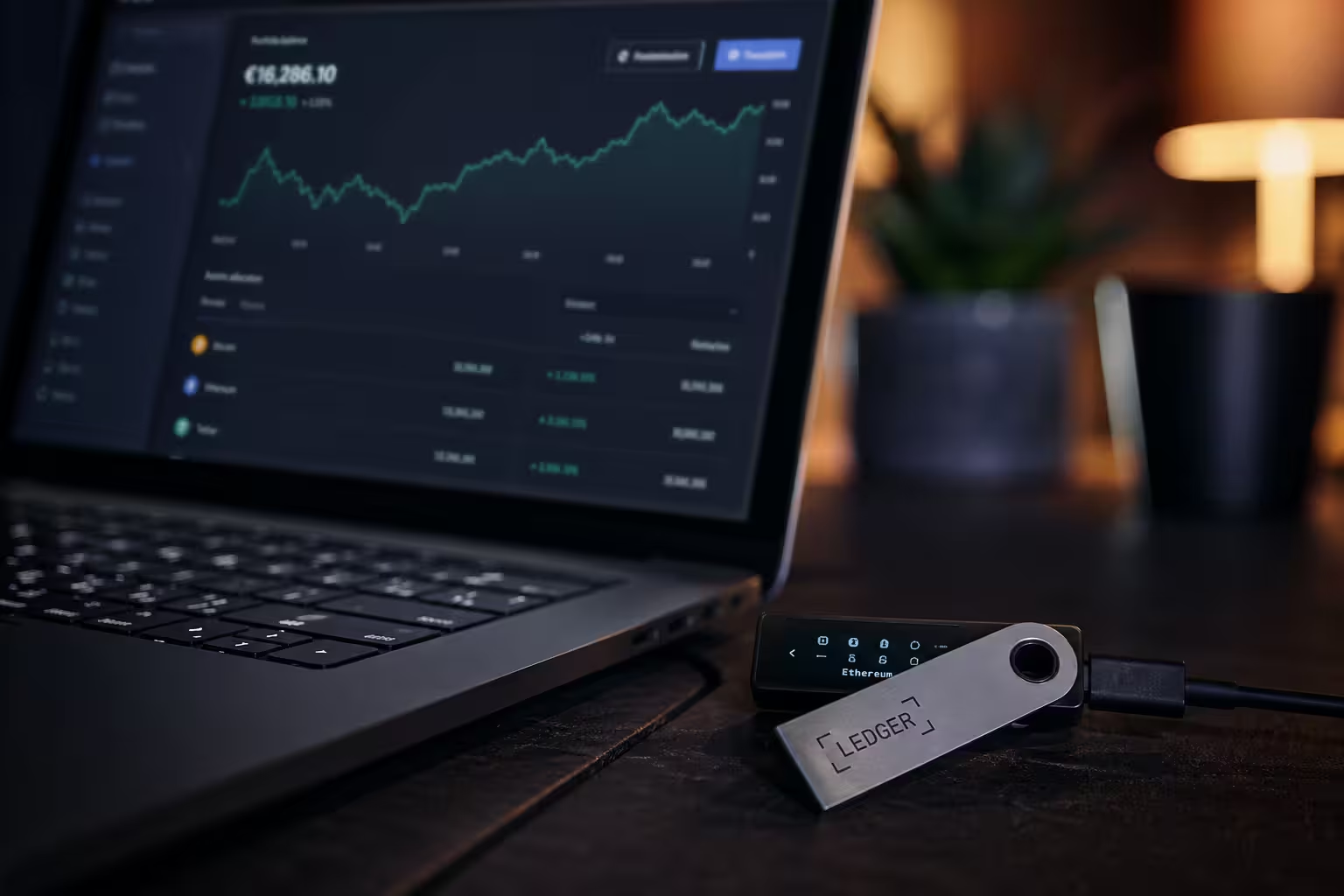
Ledger remains one of the most popular hardware wallet brands in the crypto industry because of its combination of offline security, broad cryptocurrency support, staking features, and beginner-friendly mobile and desktop applications. For long-term crypto holders looking for cold storage security, Ledger devices still offer strong protection against malware, exchange hacks, and unauthorized wallet access when used correctly.
The wallet is especially suitable for:
- Bitcoin investors
- Ethereum holders
- NFT collectors
- Long-term crypto investors
- Users wanting staking support
- Beginners moving funds off exchanges
However, Ledger is not perfect. The company has faced criticism in previous years related to customer data exposure and concerns surrounding certain recovery-related services. As with any hardware wallet, security ultimately depends heavily on user practices, especially how recovery phrases are stored.
For most users wanting a balance between security, usability, and supported assets, Ledger still remains one of the strongest hardware wallet choices in 2026.
Disclosure: This article may contain affiliate links. If you purchase through links on this page, we may earn a commission at no extra cost to you.
Editorial Disclaimer:
Hifi Eye is an independent review website and is not affiliated with Ledger. We do not provide wallet recovery services, investment advice, or collect sensitive information such as private keys or recovery phrases.
What Is a Hardware Wallet?
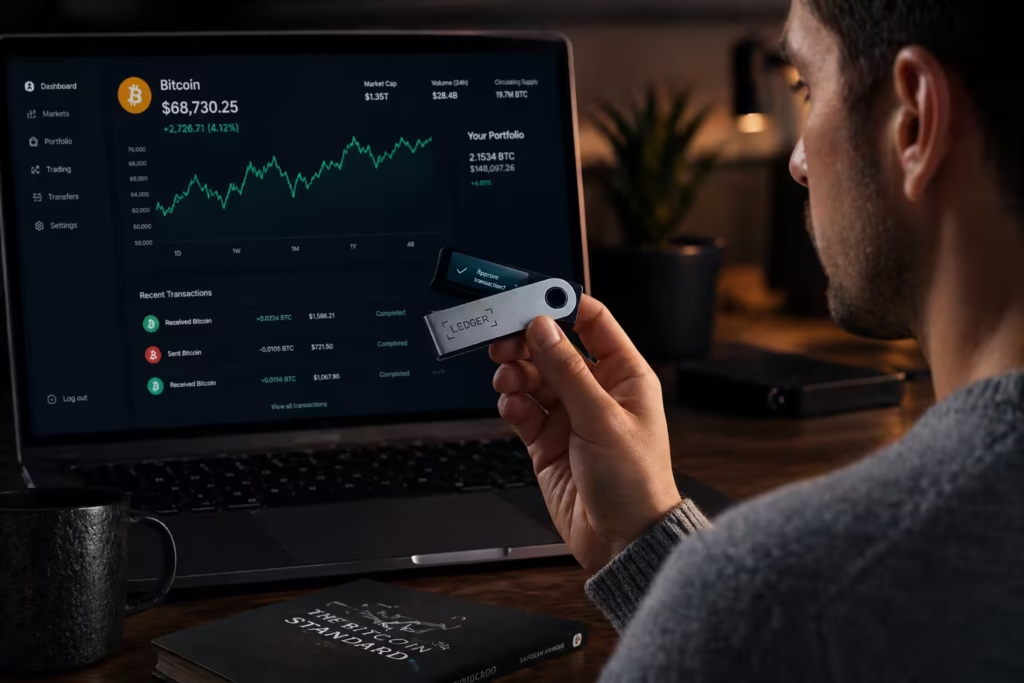
A hardware wallet is a physical device designed to store cryptocurrency private keys offline. Unlike software wallets connected continuously to the internet, hardware wallets isolate sensitive keys from online threats.
This offline storage method is commonly known as “cold storage.”
Hardware wallets help reduce risks such as:
- malware attacks
- phishing scams
- browser exploits
- exchange hacks
- remote wallet theft
Instead of approving transactions directly from an internet-connected computer, transactions are signed securely within the hardware wallet itself.
What Is Ledger?
Ledger is a French crypto security company known for manufacturing hardware wallets designed to store cryptocurrencies securely offline. The company launched in 2014 and quickly became one of the largest names in the hardware wallet industry.
Ledger wallets are primarily used for:
- Bitcoin storage
- Ethereum storage
- altcoin management
- NFT management
- staking cryptocurrencies
- long-term cold storage
The company’s ecosystem includes:
- Ledger hardware devices
- Ledger Live software
- staking integrations
- NFT support
- portfolio management tools
Ledger Wallet Models
1. Ledger Nano S Plus
The Nano S Plus is considered Ledger’s budget-friendly hardware wallet option. It supports thousands of cryptocurrencies while remaining relatively affordable.
Best For:
- beginners
- long-term holders
- budget-conscious users
Main Features:
- USB-C connection
- improved storage capacity
- support for multiple wallet apps
- compact design
2. Ledger Nano X
The Nano X is Ledger’s premium portable wallet with Bluetooth support.
Best For:
- mobile users
- travelers
- active crypto users
Main Features:
- Bluetooth connectivity
- larger app storage
- rechargeable battery
- mobile compatibility
3. Ledger Stax
Ledger Stax is the company’s more premium modern wallet featuring a curved E Ink touchscreen design.
Main Features:
- touchscreen interface
- customizable lock screen
- NFT display support
- wireless charging
Supported Cryptocurrencies
One major reason Ledger remains popular is its extremely broad cryptocurrency support.
Ledger wallets support:
- Bitcoin
- Ethereum
- Litecoin
- XRP
- Solana
- Cardano
- Polygon
- Avalanche
- Binance Coin
- thousands of additional assets
Support availability can vary depending on:
- device model
- wallet application
- blockchain integration
Ledger also supports:
- NFTs
- staking
- DeFi integrations
This wide ecosystem makes Ledger attractive to diversified crypto investors.
Ledger Live Software Review
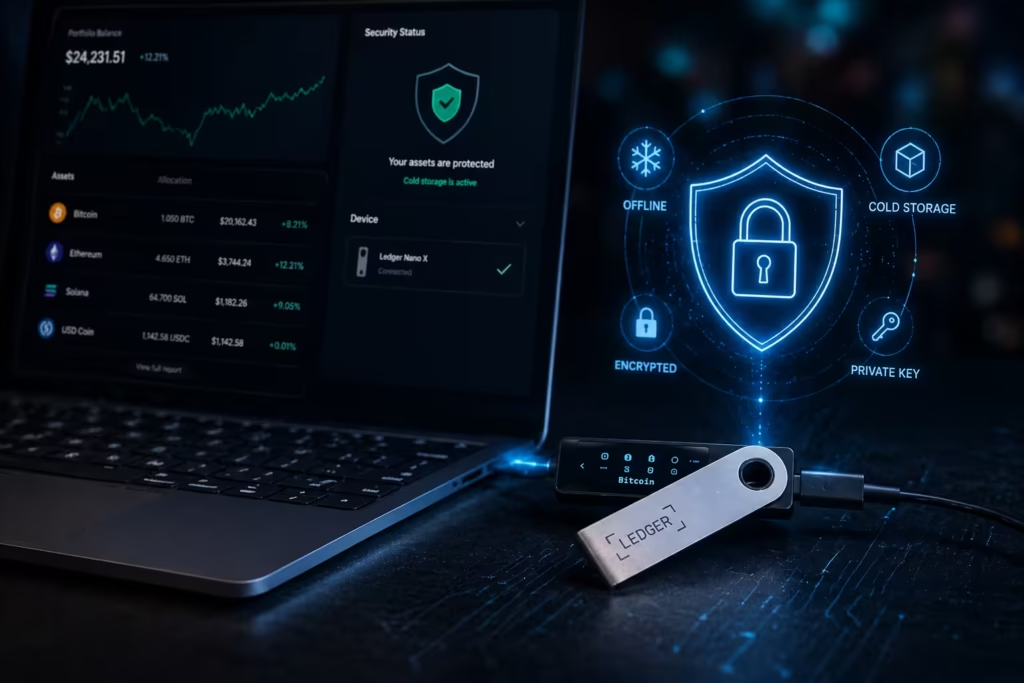
Ledger devices work alongside Ledger Live, the company’s desktop and mobile management application.
Ledger Live allows users to:
- monitor portfolio balances
- install crypto apps
- send and receive assets
- stake supported coins
- manage NFTs
- buy crypto through integrations
For beginners, Ledger Live is one of the easier hardware wallet interfaces to learn compared to more advanced crypto wallet software.
Ledger Security Review
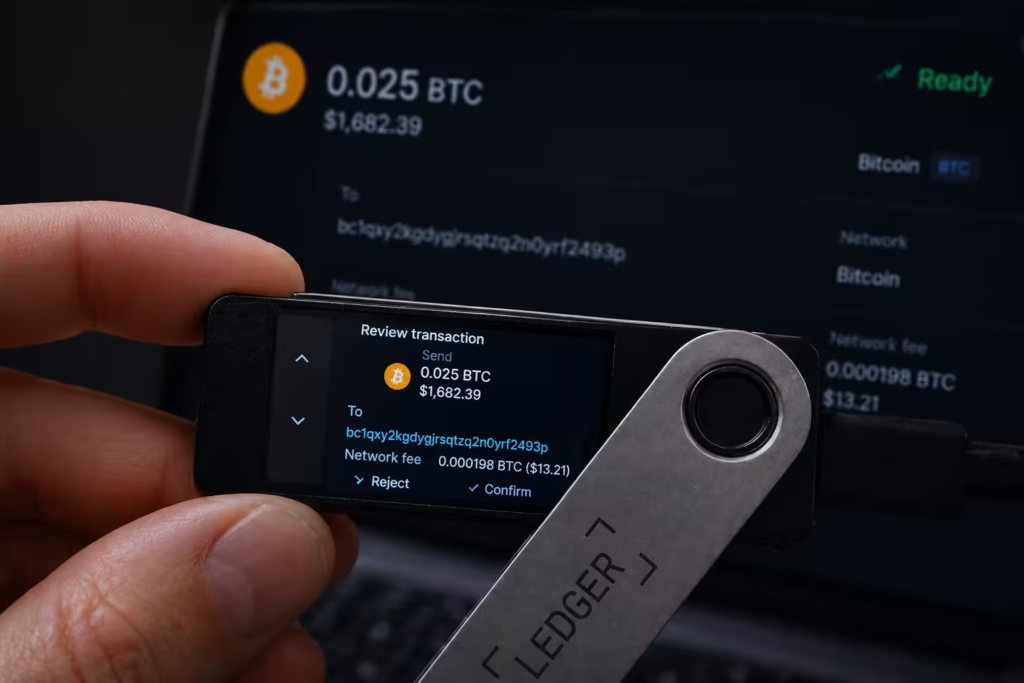
Security is the most important factor when choosing a hardware wallet.
Ledger devices use:
- Secure Element chips
- offline private key storage
- PIN protection
- recovery phrase backup systems
Private keys remain stored inside the device and are not exposed directly to internet-connected systems.
How Ledger Protects Private Keys
When users approve transactions:
- Transaction details are displayed on the physical device
- User manually verifies details
- Transaction is signed offline
- Signed transaction is broadcast online
This process helps reduce risks from malware attempting to alter transaction details.
Important Security Reminder
No hardware wallet can protect users if:
- recovery phrases are shared
- phishing websites are trusted
- fake firmware is installed
- seed phrases are stored online
Most crypto theft involving hardware wallets happens because users accidentally expose recovery phrases.
Ledger Wallet Pros
Excellent Cryptocurrency Support
Ledger supports one of the largest asset ecosystems in the hardware wallet industry.
Beginner-Friendly Interface
Ledger Live is relatively simple compared to many advanced crypto wallets.
Mobile Compatibility
Bluetooth support on the Nano X improves portability.
Staking Features
Users can stake certain assets directly through Ledger integrations.
NFT Support
Ledger supports NFT management for supported blockchains.
Strong Offline Security
Cold storage protection remains one of Ledger’s biggest strengths.
Ledger Wallet Cons
Closed-Source Concerns
Some privacy-focused crypto users prefer fully open-source alternatives.
Learning Curve for Beginners
New users may initially find seed phrase setup intimidating.
Premium Models Can Be Expensive
Higher-end Ledger devices cost more than some competitors.
Past Reputation Concerns
Ledger faced criticism after a historical customer data leak involving marketing databases rather than hardware wallet private keys themselves.
Is Ledger Safe After Past Controversies?
Many users still ask whether Ledger remains safe after previous controversies involving customer data exposure.
It is important to understand:
- the hardware wallet architecture itself was not directly compromised
- private keys stored on devices were not leaked
- however, customer contact data exposure increased phishing attempts targeting users
Since then, the company has implemented additional security and privacy improvements.
Still, users should remain cautious about:
- impersonation scams
- fake emails
- fake Ledger apps
- phishing websites
Ledger vs Software Wallets
| Feature | Ledger Hardware Wallet | Software Wallet |
|---|---|---|
| Offline Key Storage | Yes | Usually No |
| Malware Resistance | Strong | Moderate |
| Convenience | Moderate | High |
| Security Level | High | Lower |
| Long-Term Storage | Excellent | Moderate |
Who Should Buy Ledger?
Ledger may be a good choice for:
- long-term investors
- Bitcoin holders
- NFT collectors
- staking users
- users holding large crypto balances
- people moving funds off centralized exchanges
Who Might Prefer Other Wallets?
Some users may prefer alternatives if they want:
- fully open-source systems
- air-gapped wallets
- touchscreen-only devices
- ultra-minimal mobile wallets
Competitors include:
- Trezor
- SafePal
- ELLIPAL
- Tangem
Is Ledger Worth Buying in 2026?
For many crypto investors, Ledger still offers one of the best combinations of:
- security
- usability
- asset support
- staking integration
- mobile compatibility
No wallet is completely risk-free, but Ledger remains among the more trusted hardware wallet brands when purchased directly from official sources and used with proper security practices.
If your primary goal is protecting crypto for long-term storage, a hardware wallet like Ledger is generally much safer than storing assets on centralized exchanges.
Final Verdict
Ledger continues to be one of the strongest hardware wallet options available for most crypto users in 2026. Its balance between beginner-friendly software, broad cryptocurrency support, and strong offline security makes it suitable for both newer investors and experienced holders.
The most important factor is not just choosing a good wallet, but also practicing strong security habits:
- never share recovery phrases
- avoid phishing websites
- verify URLs carefully
- purchase directly from official sources
For users wanting reliable cold storage with modern features and broad ecosystem support, Ledger remains a competitive choice in today’s hardware wallet market.
FAQ
Yes, Ledger is generally beginner-friendly compared to many hardware wallets. However, users must carefully protect their recovery phrase during setup.
Hardware wallets significantly reduce hacking risks, but no system is completely immune. Most crypto theft occurs through phishing or recovery phrase exposure rather than direct device compromise.
Yes. Ledger supports Bitcoin, Ethereum, and thousands of additional cryptocurrencies.
For long-term storage and security, hardware wallets are generally considered safer than software wallets connected continuously to the internet.
Many long-term investors prefer moving significant crypto holdings into cold storage wallets rather than leaving assets on centralized exchanges.